


news
Suzuki synonymous with reliability for Hungarians – 7 in 10 consumers value domestic manufacturing
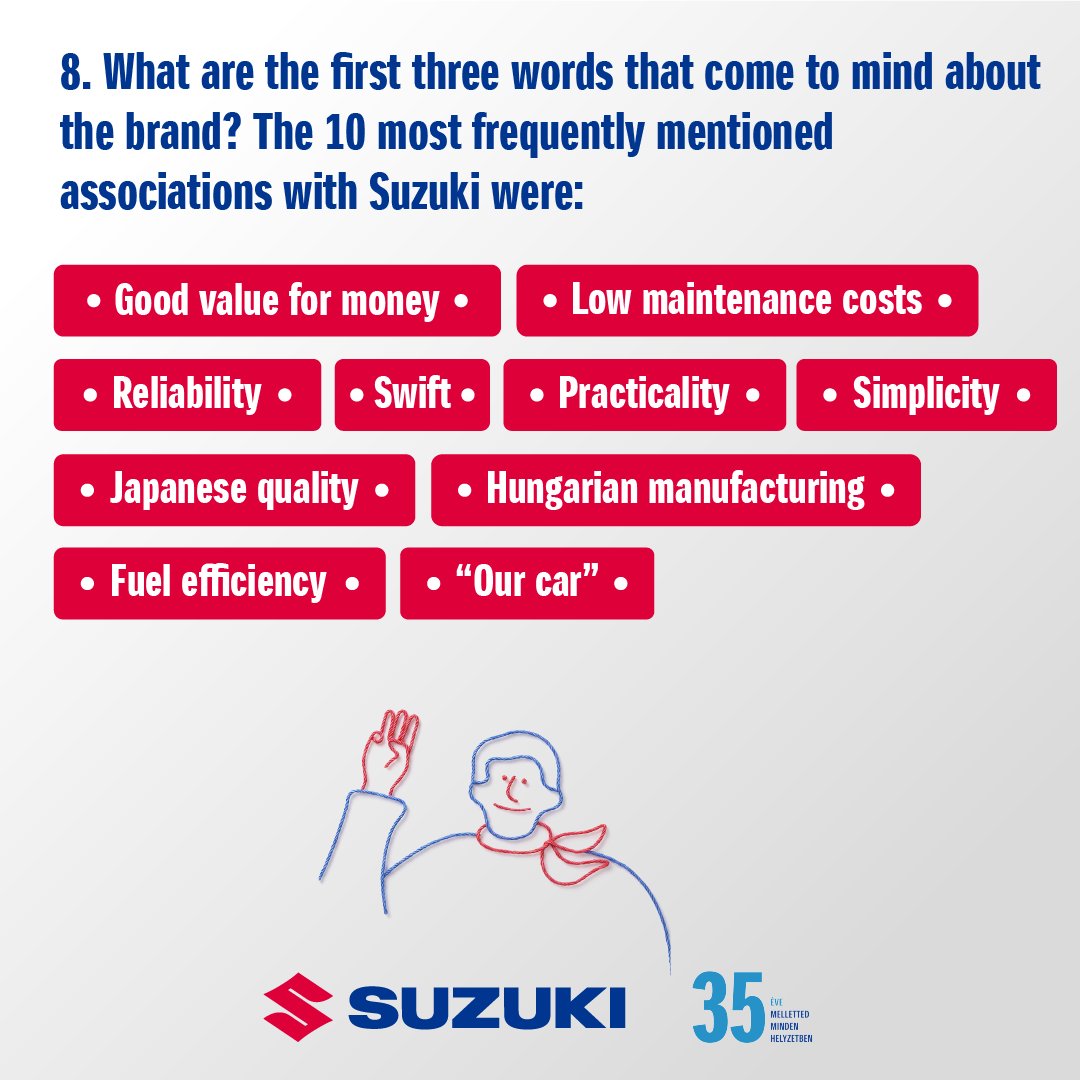
Magyar Suzuki marks its 35th anniversary with research on brand awareness, perception and its role in Hungarian motoring culture. A recent survey conducted on the occasion of Magyar Suzuki’s 35th anniversary highlights the brand’s exceptionally strong position among Hungarians. According to the findings, Suzuki is most commonly associated with reliability, strong value for money and low maintenance costs.
Suzuki holds long-standing place in Hungarian family life
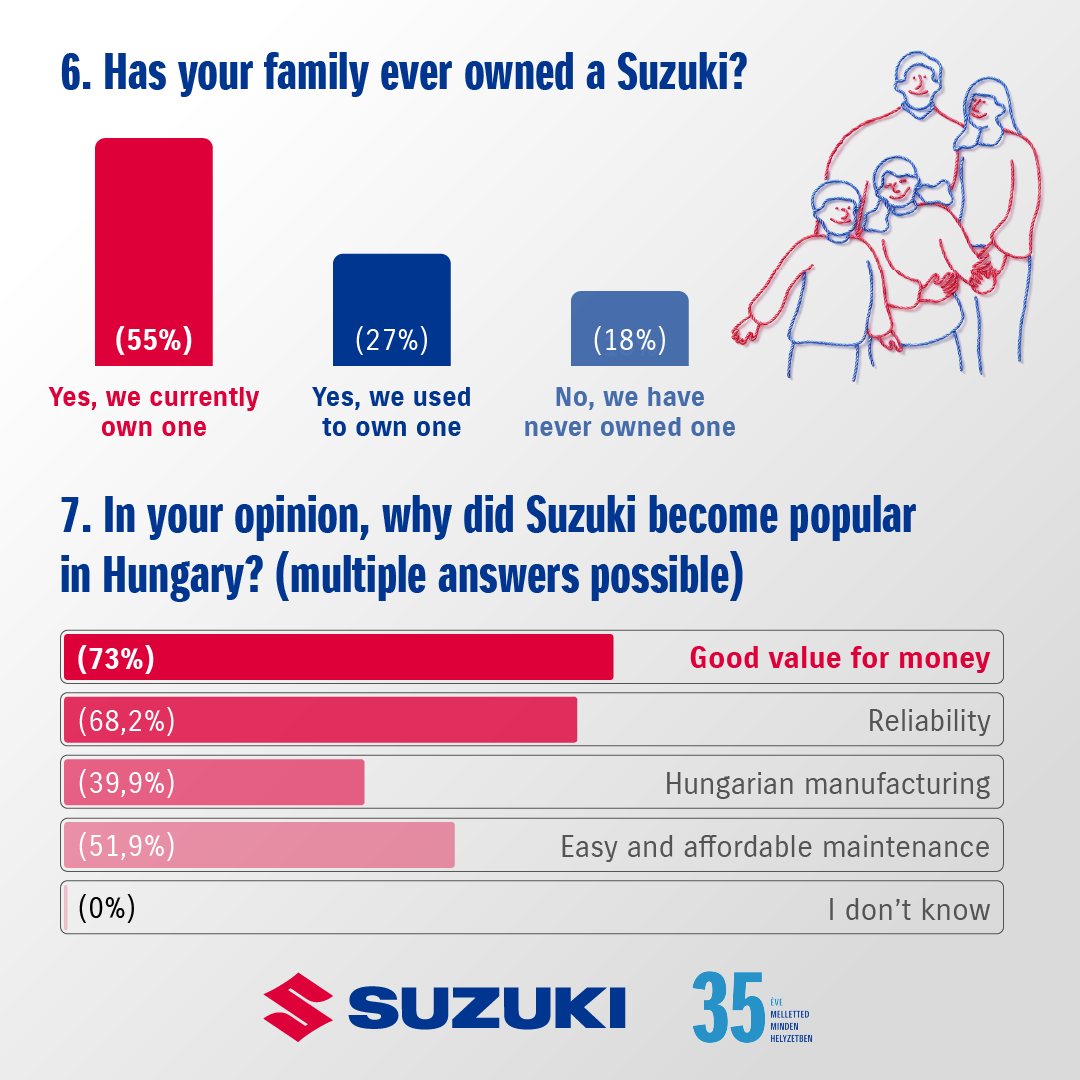
The research shows that multiple generations have personal connections with the Suzuki brand. More than half of respondents (54.9%) currently have a Suzuki vehicle in their household, while a further 27% have owned one previously. Overall, more than 80% of those surveyed have direct experience with the brand, underlining Suzuki’s deep integration into everyday motoring in Hungary.
Reliability, affordability and ease of ownership drive popularity
When asked why Suzuki became so popular in Hungary, 73% of respondents cited excellent value for money, 68.2% highlighted reliability, and 51.9% pointed to ease of maintenance. Domestic manufacturing also emerged as a key factor, with nearly 40% of respondents identifying Hungarian production as an important contributor to the brand’s success.
Open-ended responses reinforced these findings. The most frequently mentioned associations included reliability, strong value for money, low running costs, practicality, Japanese quality and Hungarian manufacturing. For many respondents, the Swift remains the model most closely associated with the Suzuki brand.
Domestic manufacturing still highly valued
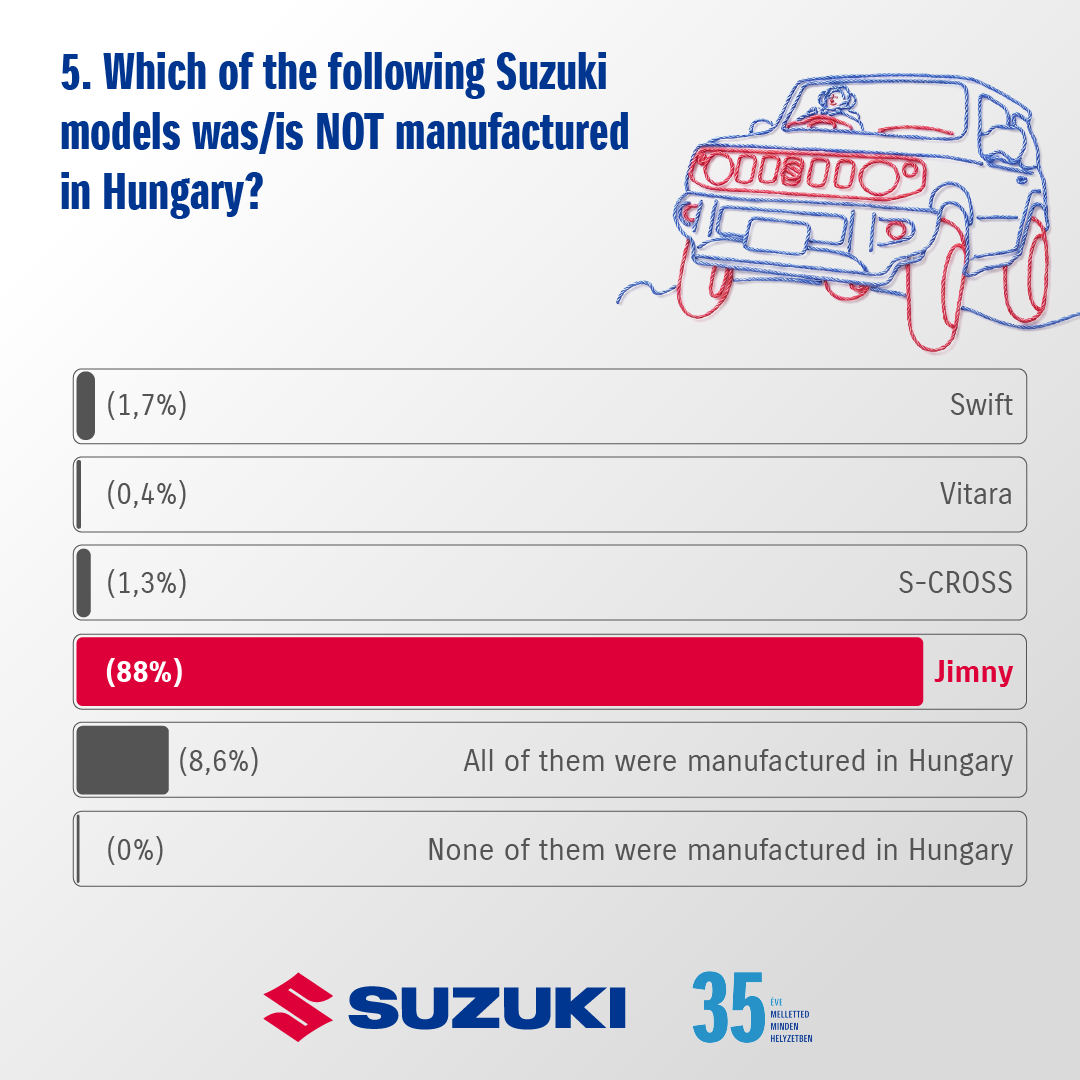
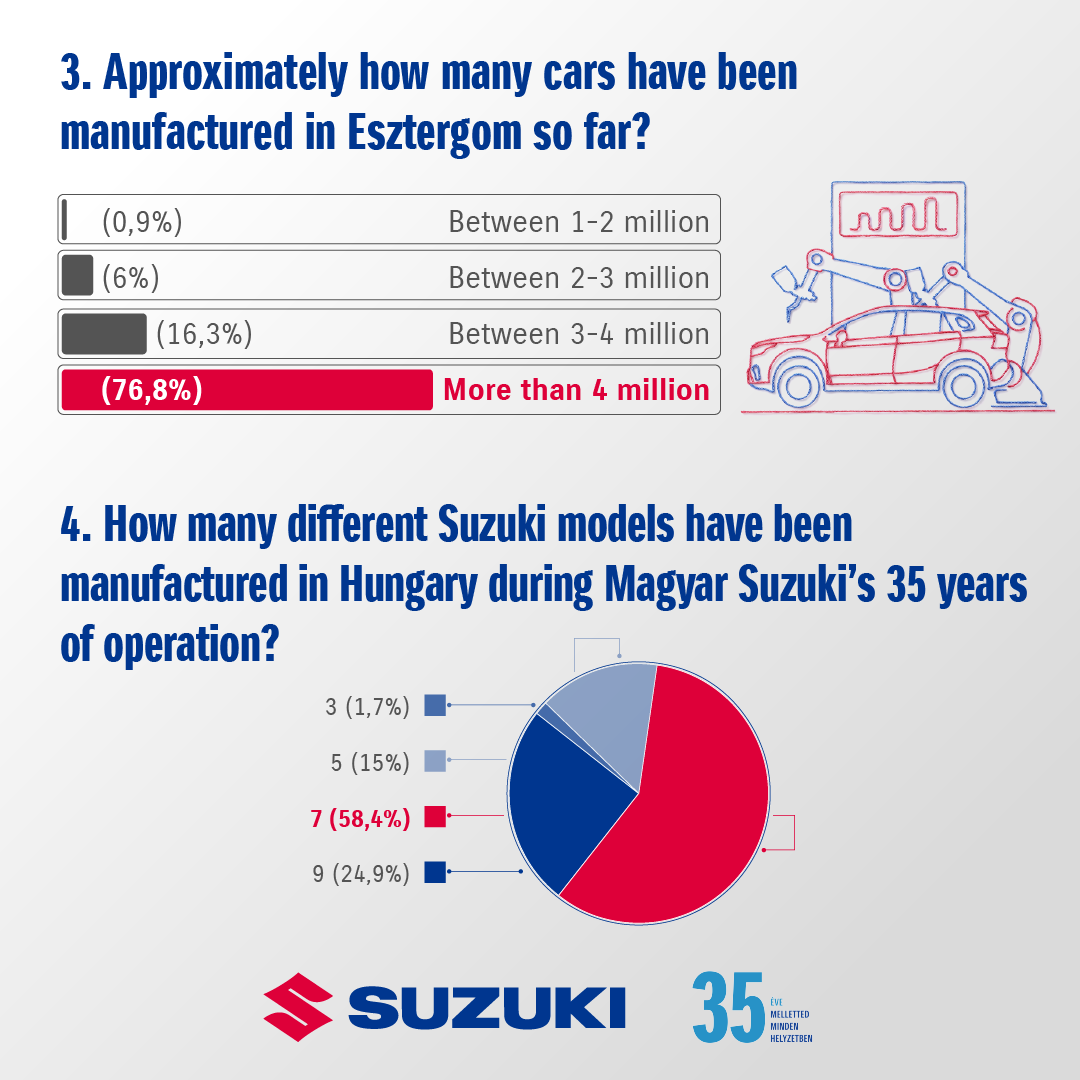
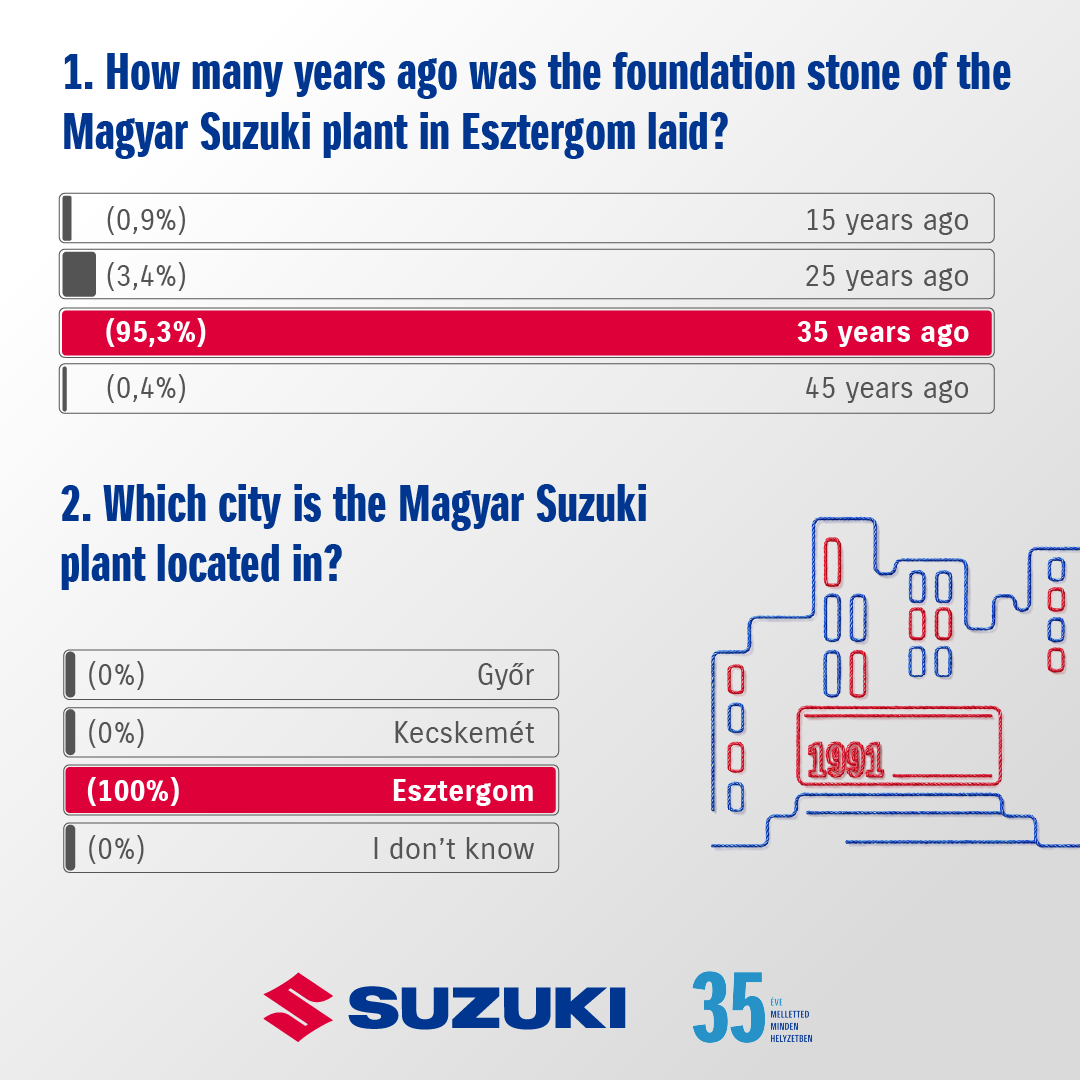
The survey also revealed a strong awareness of the key milestones in Magyar Suzuki’s history. A total of 95.3% of respondents correctly identified that the foundation stone of the Esztergom plant was laid 35 years ago, while all participants correctly named Esztergom as the factory’s location. Three-quarters of respondents were also aware that the plant has produced more than four million vehicles to date.
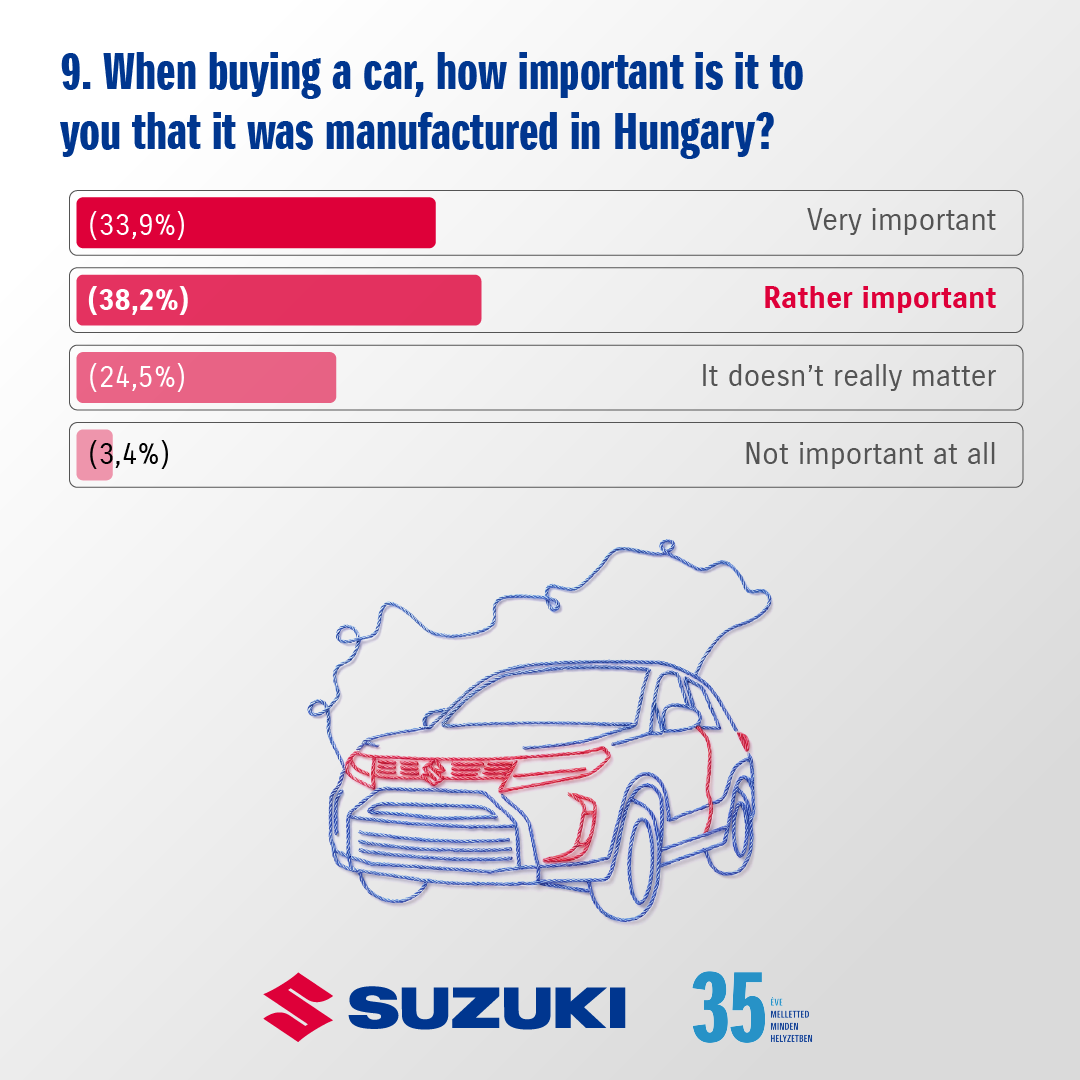
One of the study’s most notable findings is that Hungarian manufacturing continues to play an important role in purchasing decisions. More than 70% of respondents stated that it matters to them whether a vehicle is manufactured in Hungary.
Electrification deemed biggest transformation in motoring
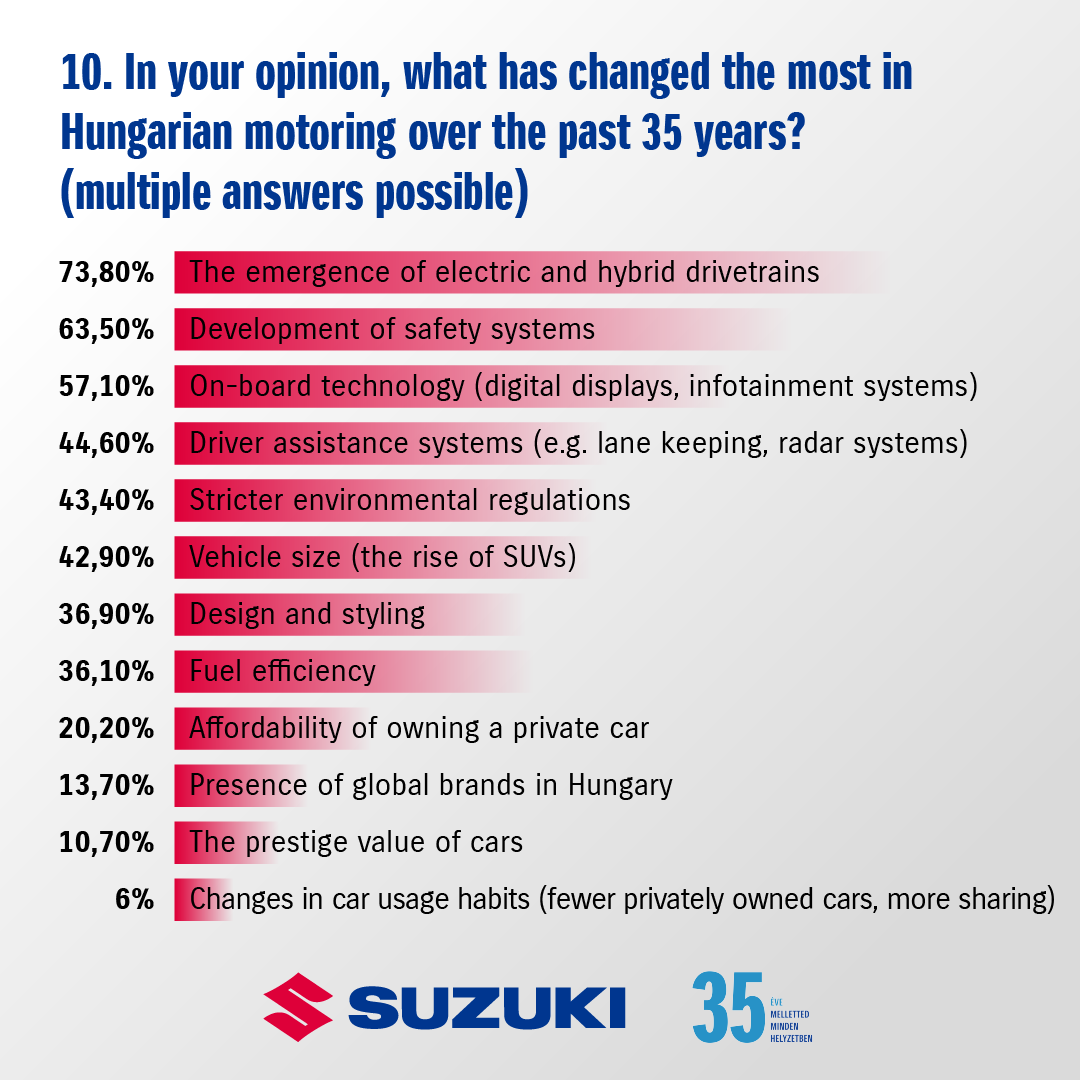
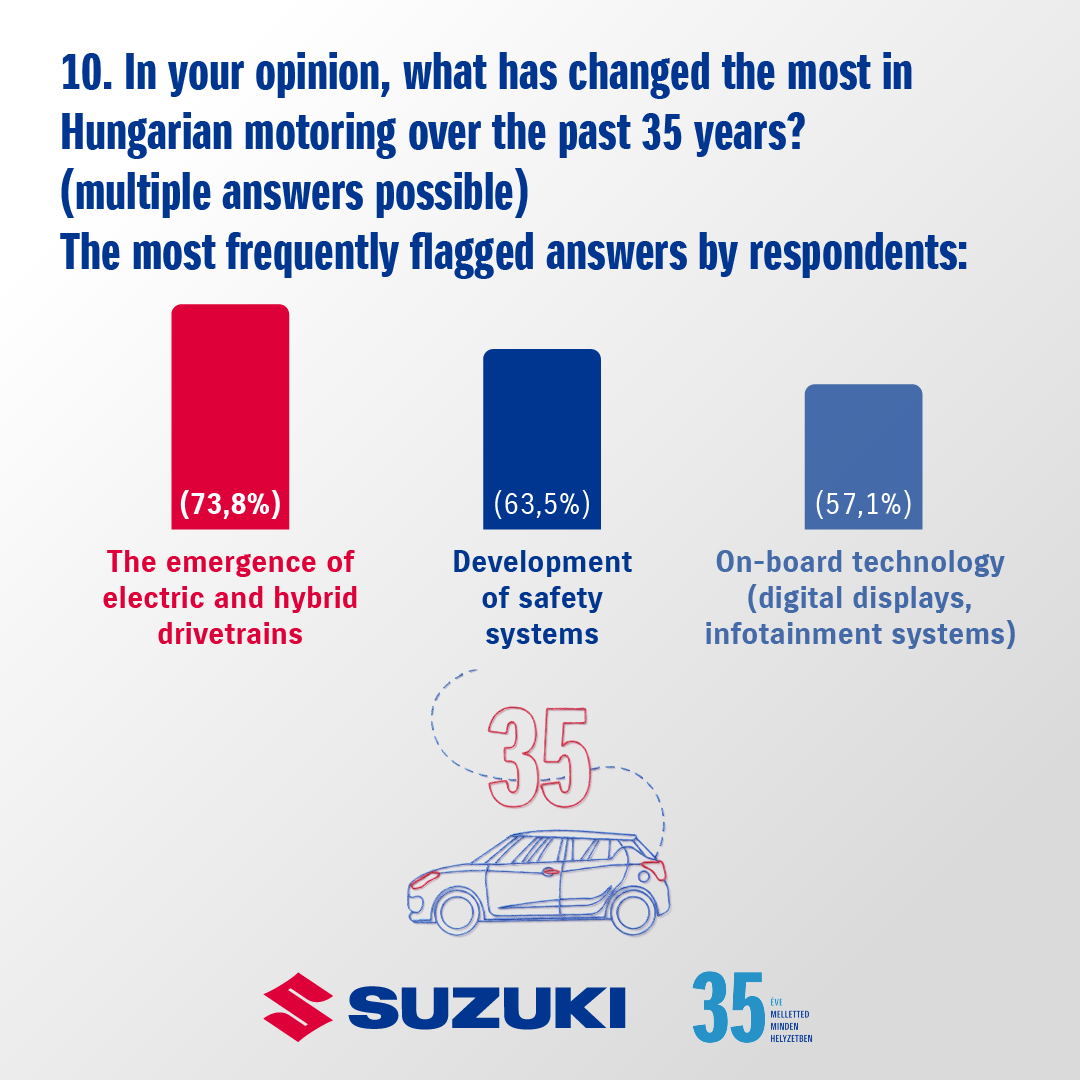
Respondents identified the emergence of electric and hybrid drivetrains as the most significant development in motoring over the past 35 years, but advances in vehicle safety systems and the growing importance of onboard technologies were also considered major milestones.
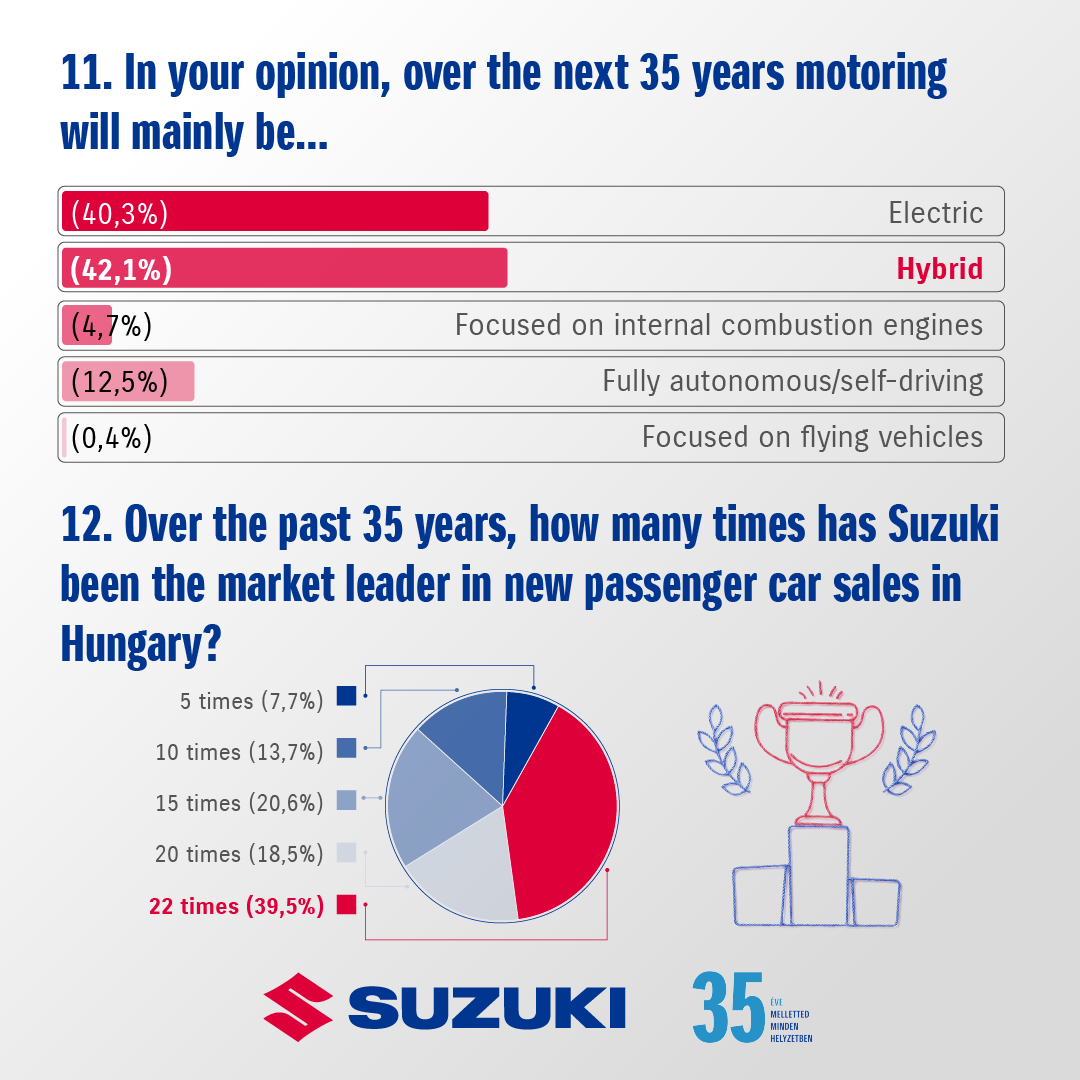
Expectations for the future reflect similar trends, with respondents anticipating that the next 35 years of motoring will increasingly centre around hybrid and fully electric vehicles.
Kaizen philosophy and economic contribution widely recognised
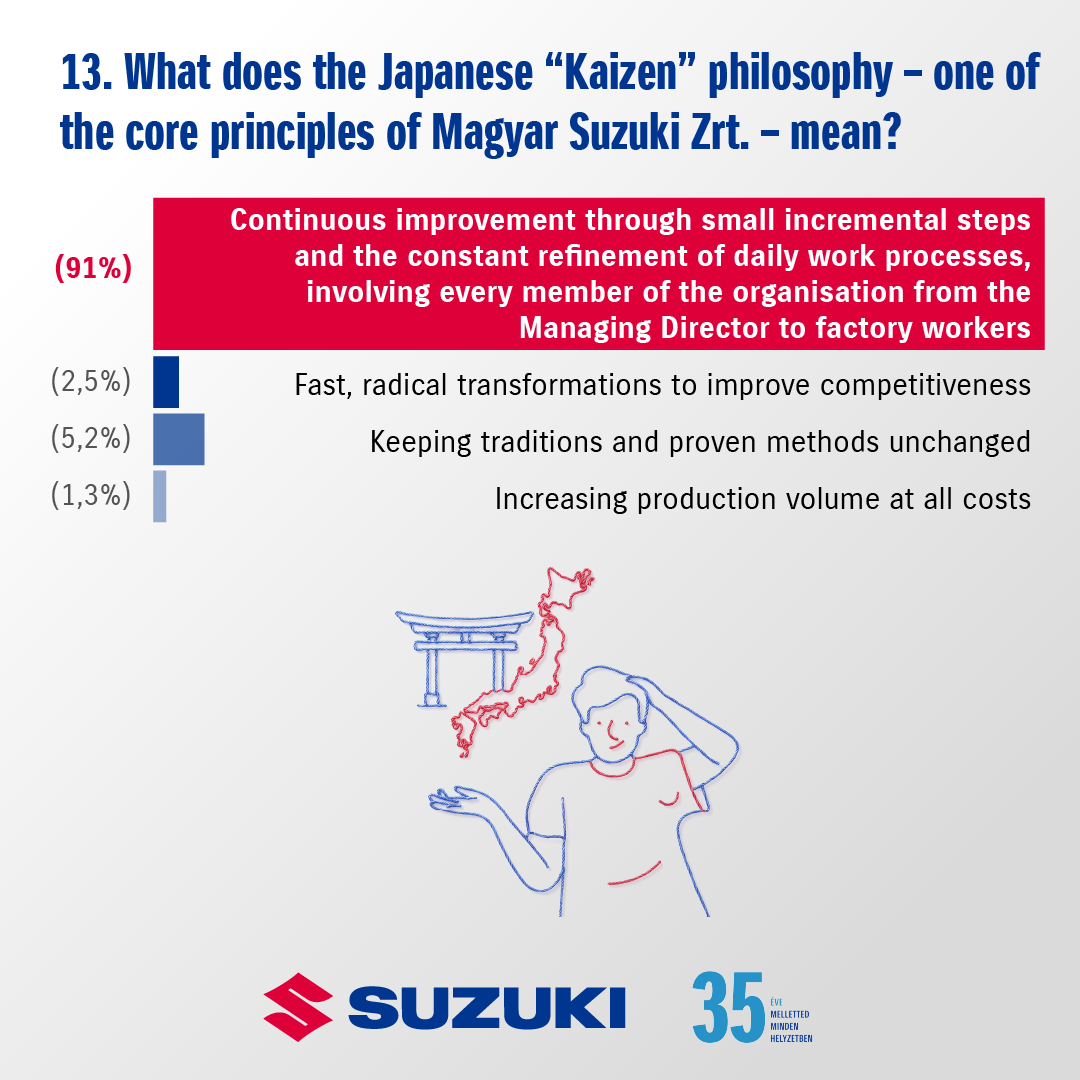
The survey also indicates that most respondents are familiar with the core principles underpinning Magyar Suzuki’s operations. A total of 91% correctly identified the Kaizen philosophy, which represents the principle of continuous improvement and optimisation.
Strong connection between Hungarians and Suzuki endures after 3½ decades
“The findings show that, even today, the Suzuki name is primarily associated in the minds of Hungarian motorists with reliability, low maintenance costs and excellent value for money. The results demonstrate that, after 35 years, the brand remains closely connected to Hungarian motoring culture, while domestic manufacturing continues to represent a value that the majority of consumers consider important,” said Zsuzsanna Bonnár-Csonka, Head of Corporate Communications at Magyar Suzuki.